
Thought and Society
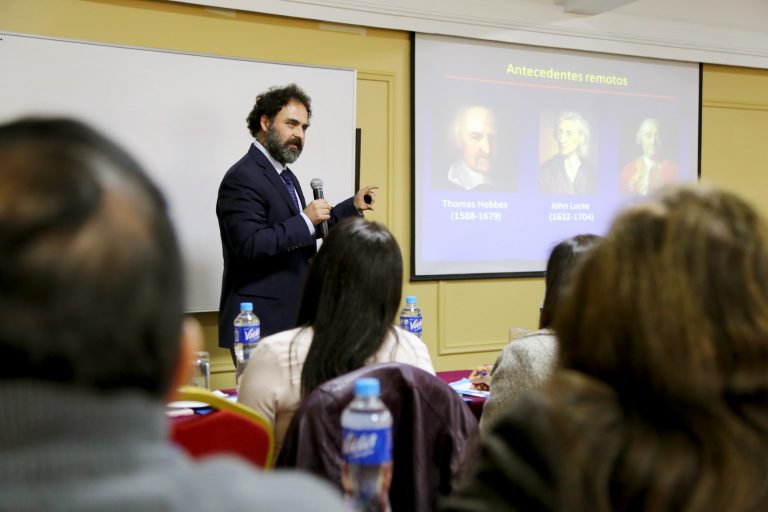
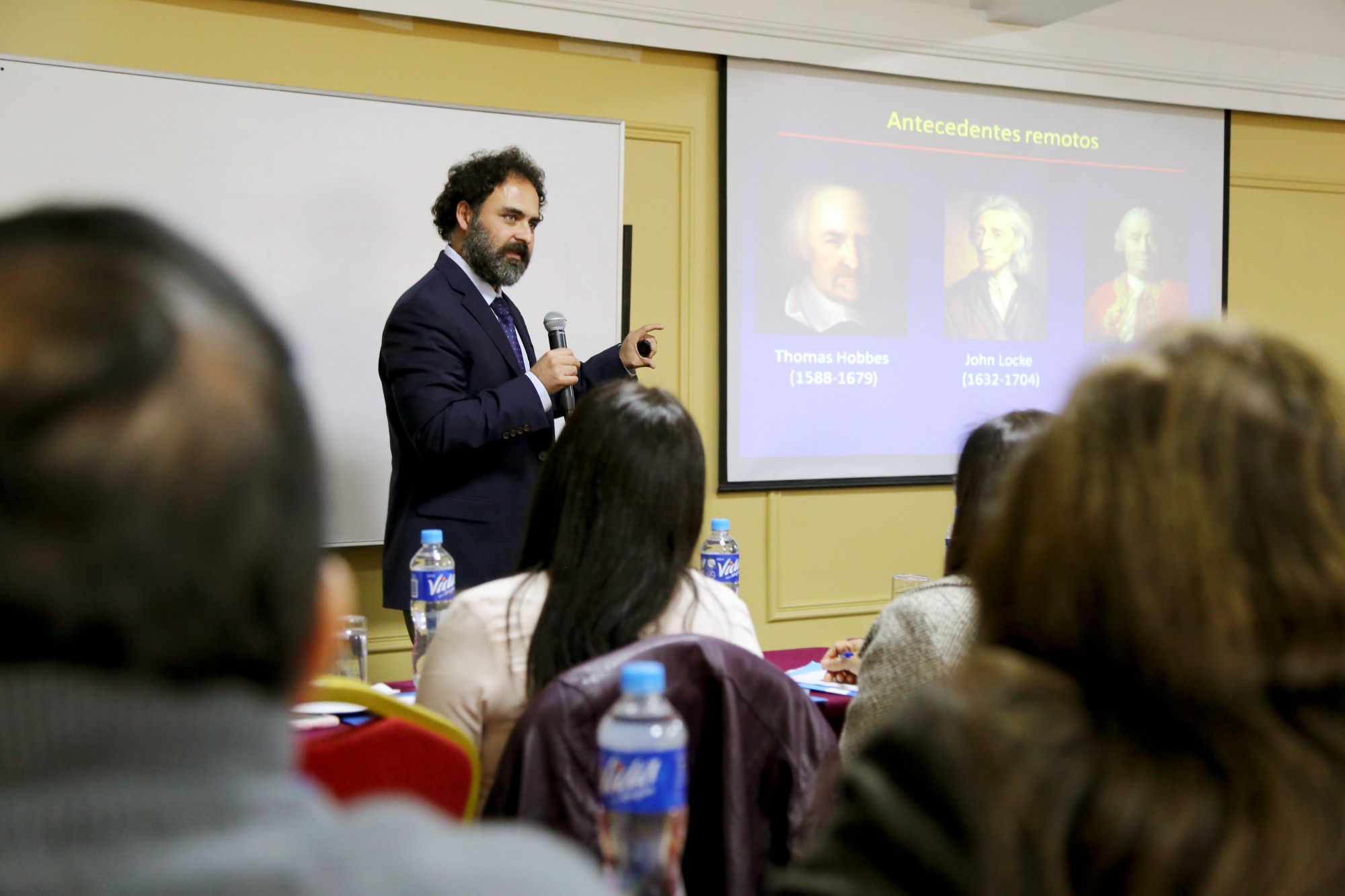
Academic's work is honored at the Open Reason 2025 Awards
Juan Eduardo Carreño has been awarded by the Instituto Razón Abierta of the Francisco de Vitoria University and the Vatican's Foundation Joseph Ratzinger, Benedict XVI.
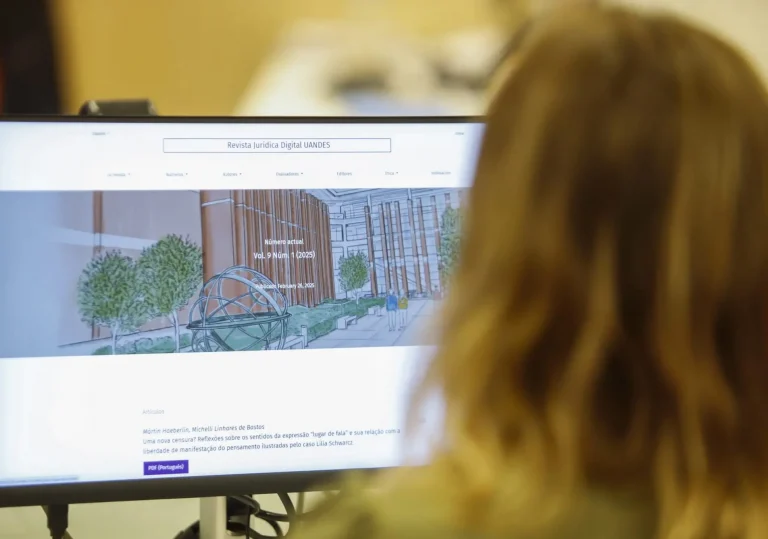
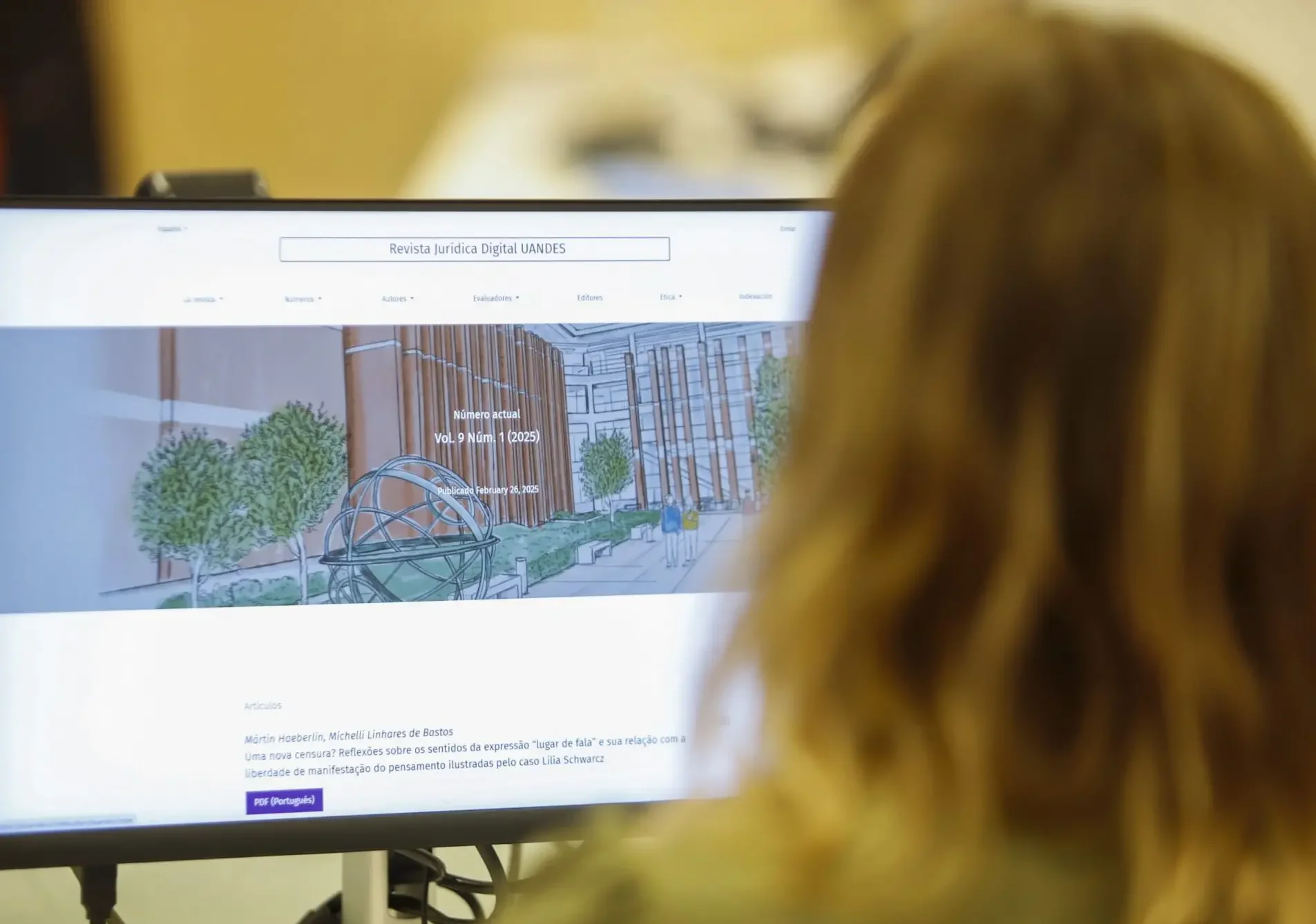
Universidad de los Andes indexes its first publication in SCOPUS
The UANDES Digital Law Journal is a scientific publication aimed at communicating advances in the fields of public and private law, philosophy of law, and history of law. It publishes research using both dogmatic-legal methodology and approaches from legal philosophy and historiography.

Study identifies possible political or strategic purposes behind misleading content in Chile's 2024 elections - UANDES Research
The study, presented to ANID and led by Pedro Anguita, professor at the School of Communication of Universidad de los Andes, will be presented in July 2025 at an international congress in Singapore.
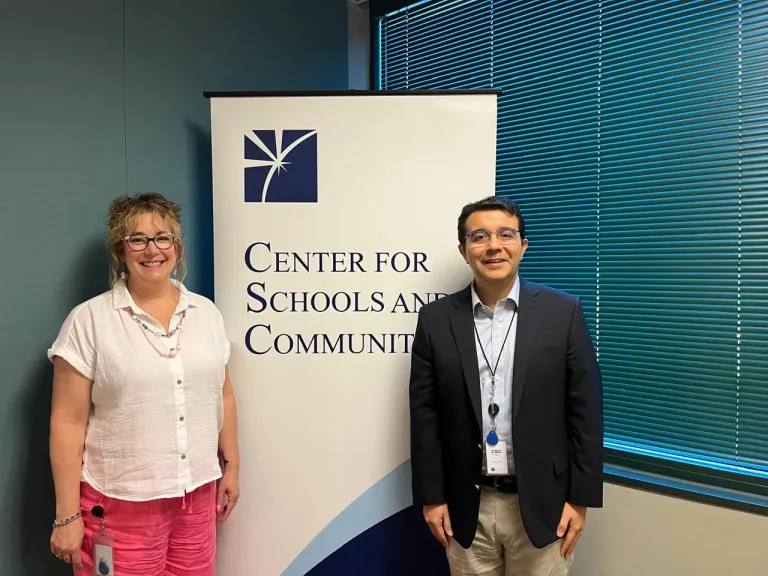
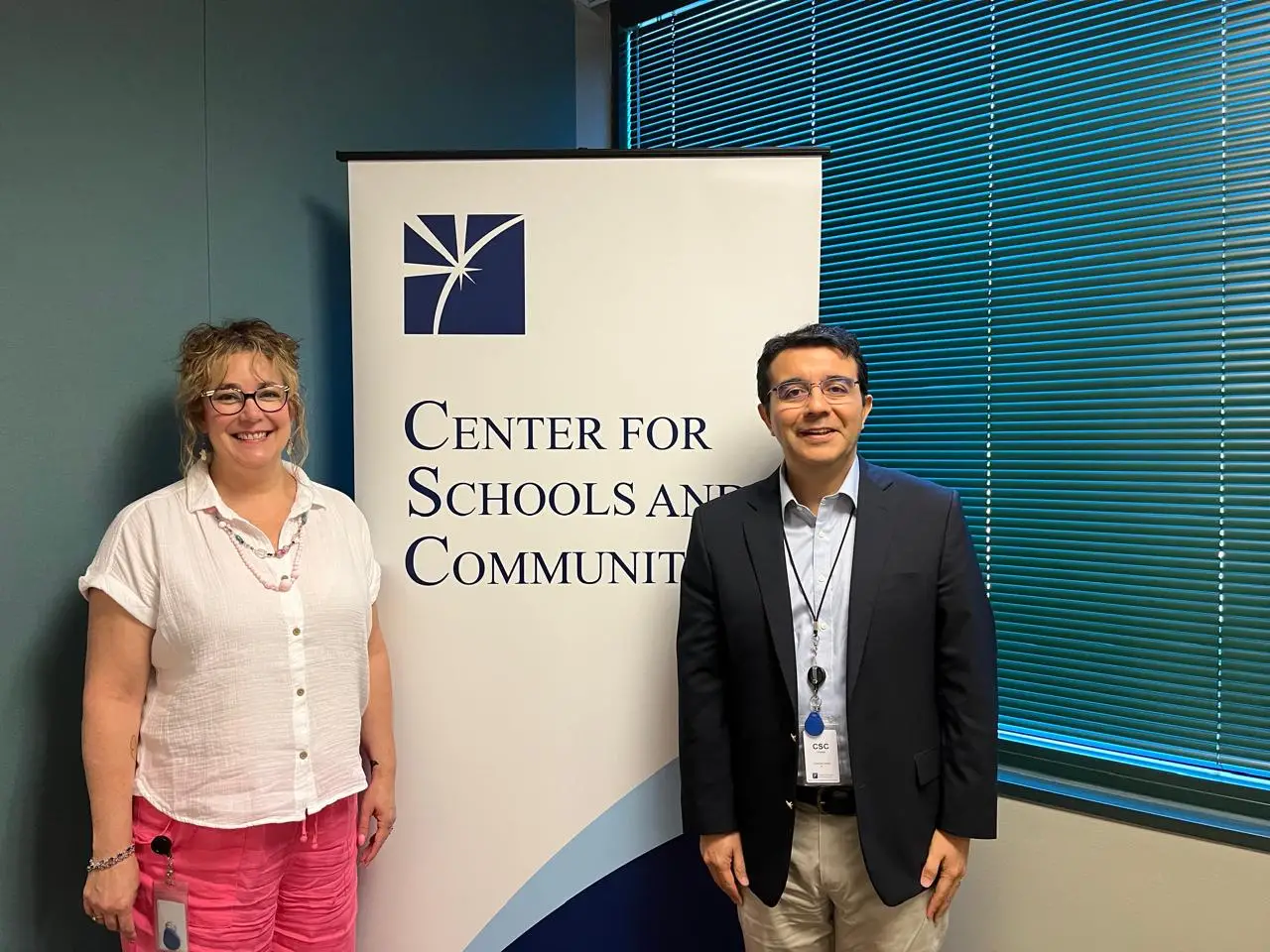
Professor Jorge Gaete works in the United States on the adaptation of an international program for the development of socioemotional skills in children.
The main objective of this visit is to advance in the translation and adaptation of the ICPS program manuals designed to strengthen executive functions and social problem-solving skills in children between the ages of 4 and 11.

Rector José Antonio Guzmán highlights research as a systematic search for truth
UANDES 2024 Doctoral Ceremony
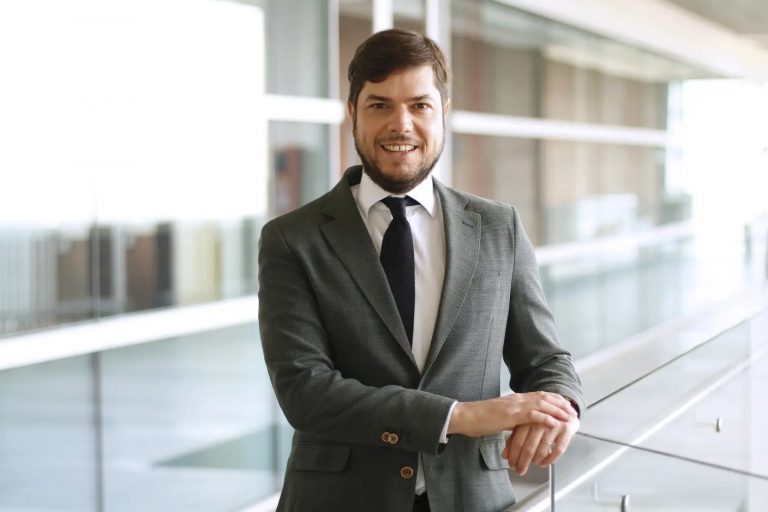
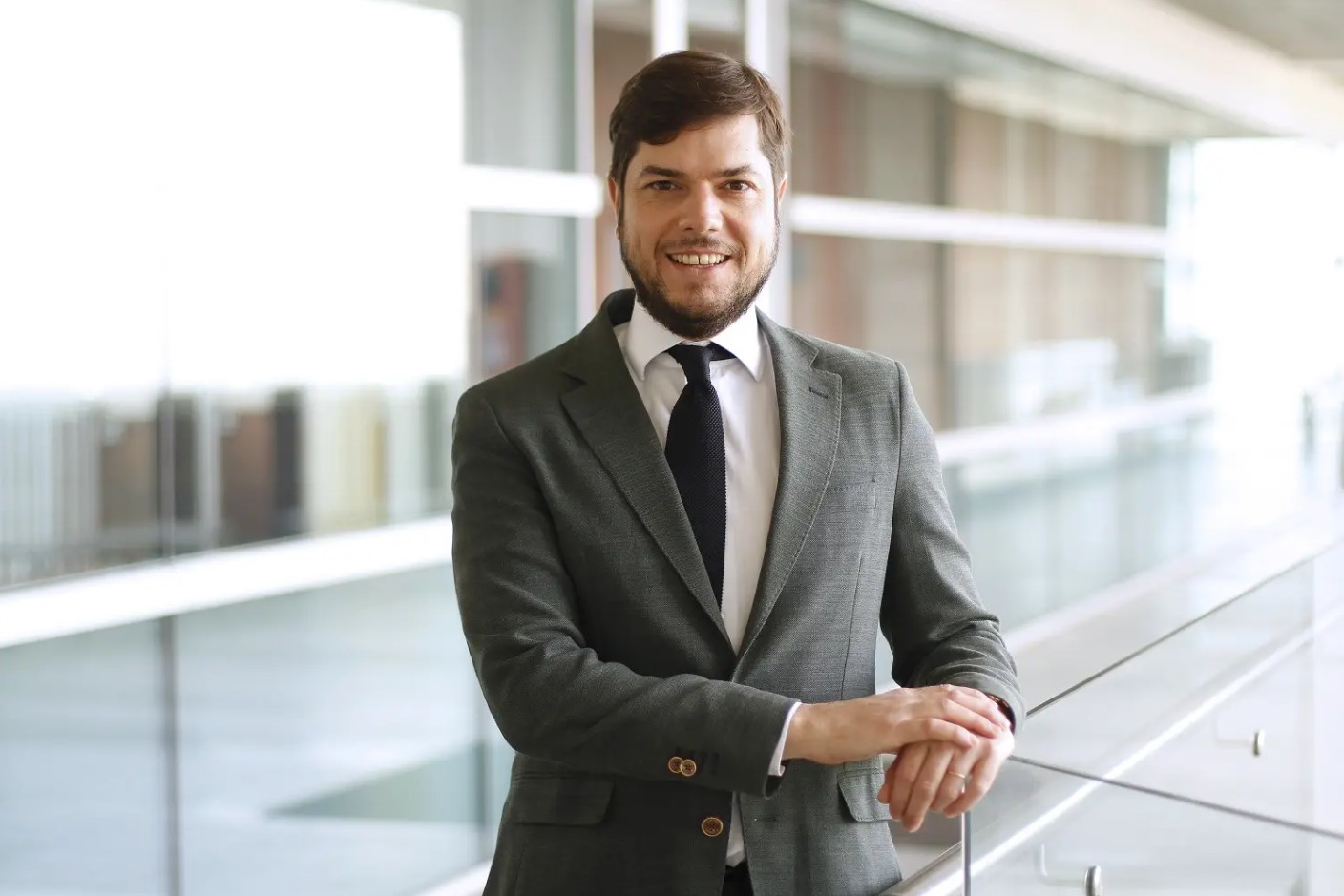
Scholar investigates the stability of obligations in Roman law: contracts, torts, and supervening events
The researcher Manuel Grasso aims to reconstruct a sector of Roman private law relating to the legal regime of obligations, covering both contracts and private torts.
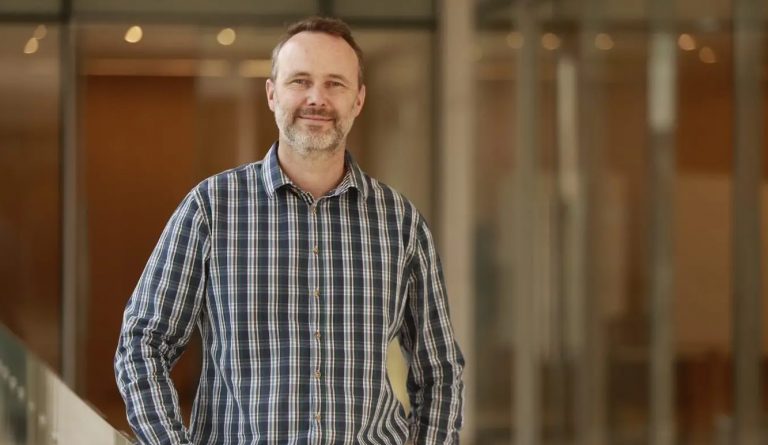
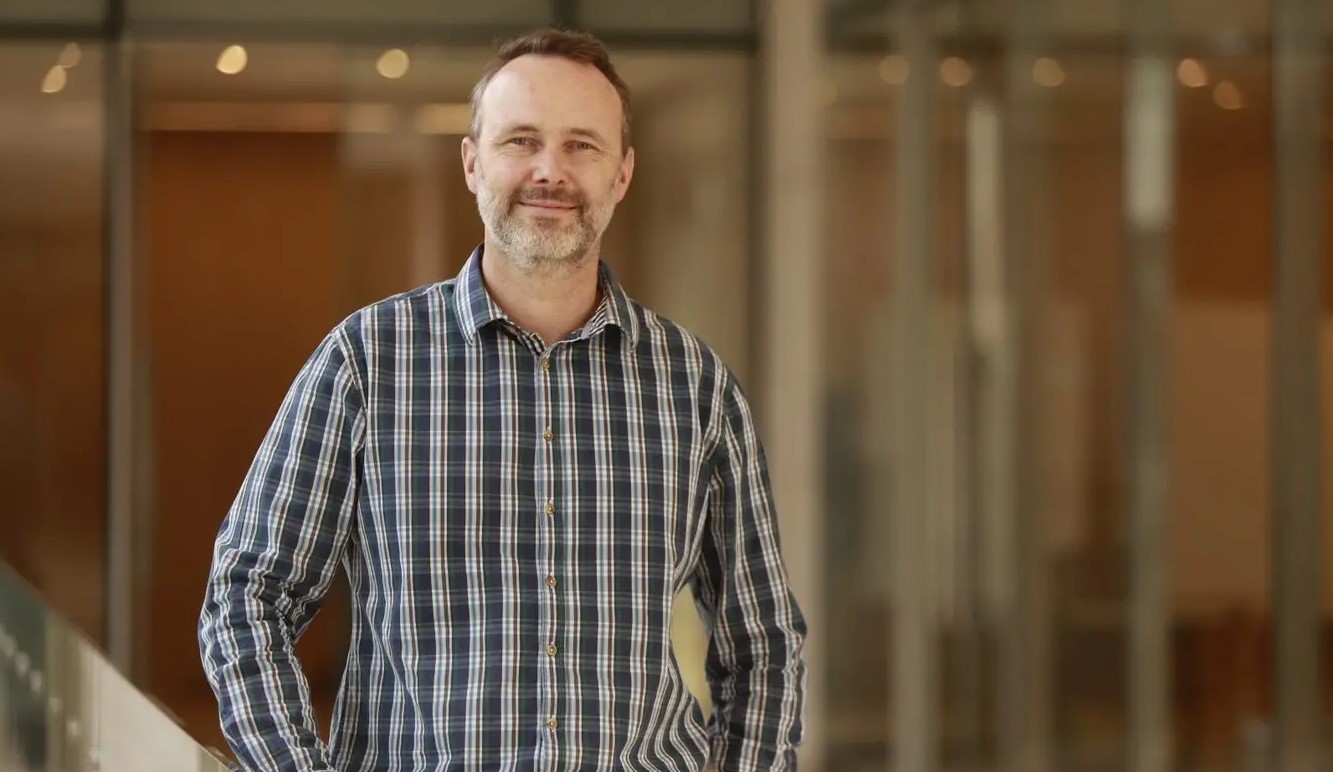
Manfred Svensson researches conflict, religion, and virtue in Augustine of Hippo and Machiavelli
This project focuses on the political thought of St. Augustine and Machiavelli as two eminent examples of thinkers who have developed their political philosophy by reflecting on the history of Rome.
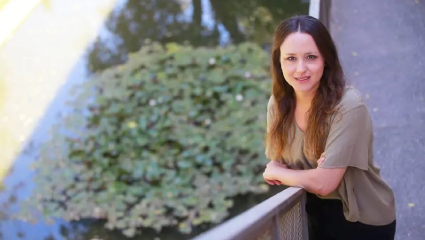
"Younger generations are delaying the search for employment, finding a long-term partner, getting married, and having children, which increases the number of complex households, such as those with young adults living with their parents."
Consuelo Araos, a researcher at the Signos UANDES Center, seeks to understand the changes in household formation.