
The objective of the research was to evaluate the association between factors that promote blood vessel formation in the gingival crevicular fluid and the risk of spontaneous preterm birth, as well as to analyze its relationship with the severity of periodontal disease during early pregnancy.
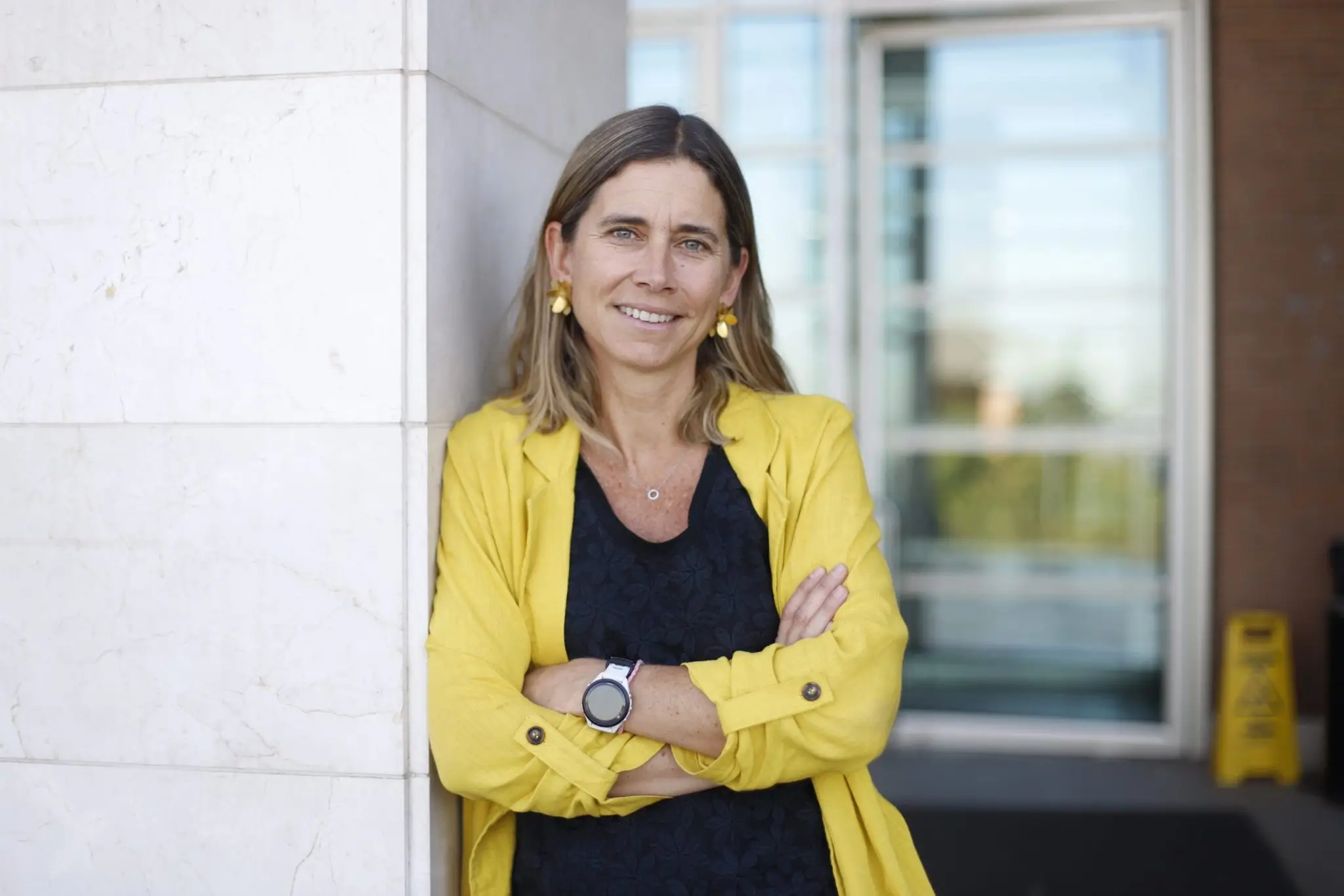
A study led by researcher Daniela Albers, academic from the School of Dentistry, evaluated pregnant women considering aspects related to their pregnancy, the health of their gums, and factors present in the gingival crevicular fluid, the liquid that surrounds the teeth.
The patients were classified according to whether they had a preterm birth, before 37 weeks of gestation, or a full-term birth, after that period. The results showed differences in these factors between the two groups, as well as according to the condition of their gums.
The objective of the research was to evaluate the association between factors that promote blood vessel formation in the gingival crevicular fluid and the risk of spontaneous preterm birth, as well as to analyze its relationship with the severity of periodontal disease during early pregnancy.
""This work seeks to contribute to the prediction of spontaneous preterm birth through specific factors that we can find in the fluid surrounding the teeth and how these relate to periodontal disease during pregnancy,"explains Albers.
The research was developed by a multidisciplinary team composed of dentists from the School of Dentistry of Universidad de los Andes, researchers from the Center for Biomedical Research and Innovation (CIIB), and doctors from the Biological Reproduction Program of the School of Medicine at the same university. Dentists and researchers from the School of Dentistry of Universidad de Chile also participated.
In addition to Daniela Albers, the team included Drs. Alejandra Chaparro, María José Bendek, María Luisa Mizgier, Carolina Rojas, Marcela Hernández, and Patricia Hernández; along with Drs. Diego Prieto and Sebastián Illanes.