The way in which the media narrated the social outburst defined public understanding of one of the most complex social and political episodes in the country's recent history, according to a study on the journalistic coverage of these events.
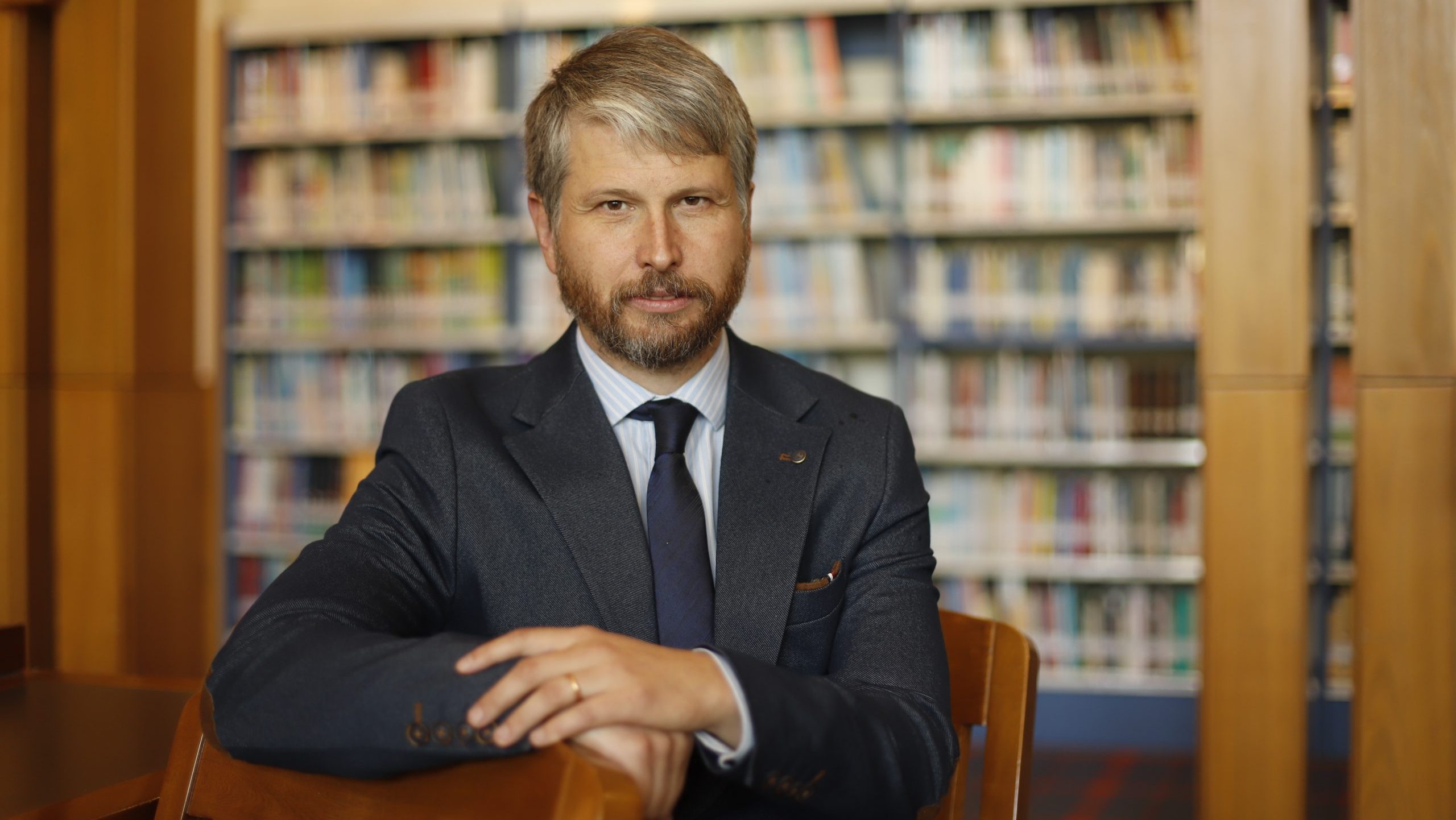
The project, entitled ¿"How Was the Social Outbreak Reported in Chile?: Framing of Print Media, Broadcast Television, and Online News Portals and Their Influence on Media Pluralism" (Fondecyt N° 11230755), developed by researcher and faculty member at the School of Communication Francisco Tagle , examined more than 10,000 news items published between October 18 and November 15, 2019, across television, web portals, radio, and print media, with the aim of identifying the narrative patterns used by the media during the first weeks of the social crisis.
The research is based on framing theory or framing ,which argues that the media do not reproduce reality in a neutral way, but rather select, prioritize, and organize information, functioning as a "window" through which the public understands events. From this perspective, the work critically engages with the protest paradigmand notes a tendency to privilege episodes of violence over the causes and demands underlying the mobilizations.
The project was developed in two methodological stages — inductive and deductive — and applied five classic journalistic frames: attribution of responsibility, conflict, consequences, human interest, and morality.
Among the main findings, the Social Outbreak was mostly presented as a conflictbetween opposing actors defined in terms of winners and losers. In the digital sphere, conservative-oriented portals tended to reinforce this framing, while progressive media more frequently approached the phenomenon from the perspective of attribution of responsibility.
Another notable finding is that the coverage responded more to an informative logic typical of catastrophe or natural disaster reporting than to a deliberate strategy to render social demands invisible.In this context, the media privileged urgency, damage, the pace of breaking news, and the emotional weight of events over the systematic explanation of social grievances. In television, narrative resources characteristic of this type of coverage — such as image fragmentation — were also observed.
Tagle explained that the emphasis on episodes of violence is not necessarily the result of an editorial intent to highlight them, but rather reflects their status as newsworthy events. The study also questions one of the central assumptions of the protest paradigm by showing that, during this period, coverage was mainly based on unofficial sources.
The project's results have been presented at international academic conferences, such as the IAMCR conference in France (2023) and Singapore (2025), as well as at the national INCOM meetings held in 2023, 2024, and 2025.