The research aims to transform earthquake-resistant design through the use of advanced simulation and artificial intelligence, with the objective of improving safety, efficiency, and sustainability.
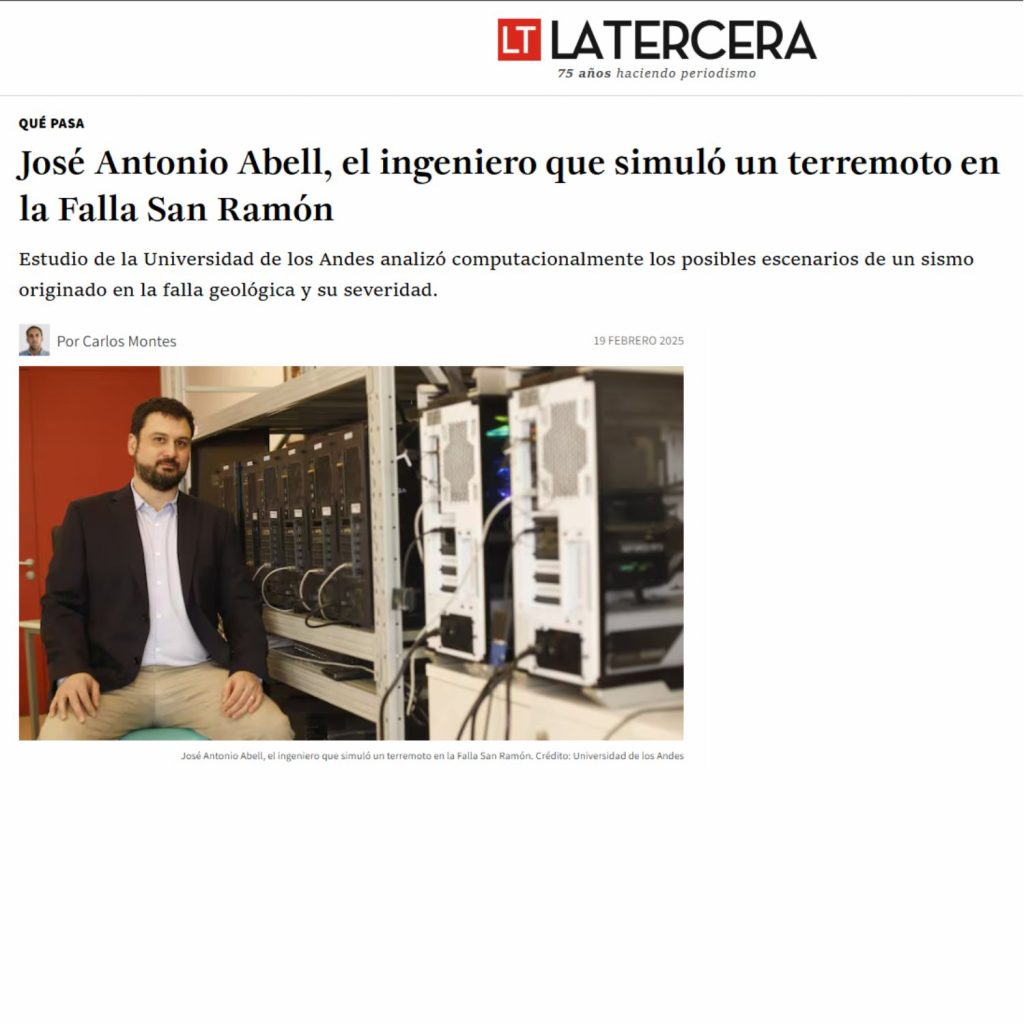
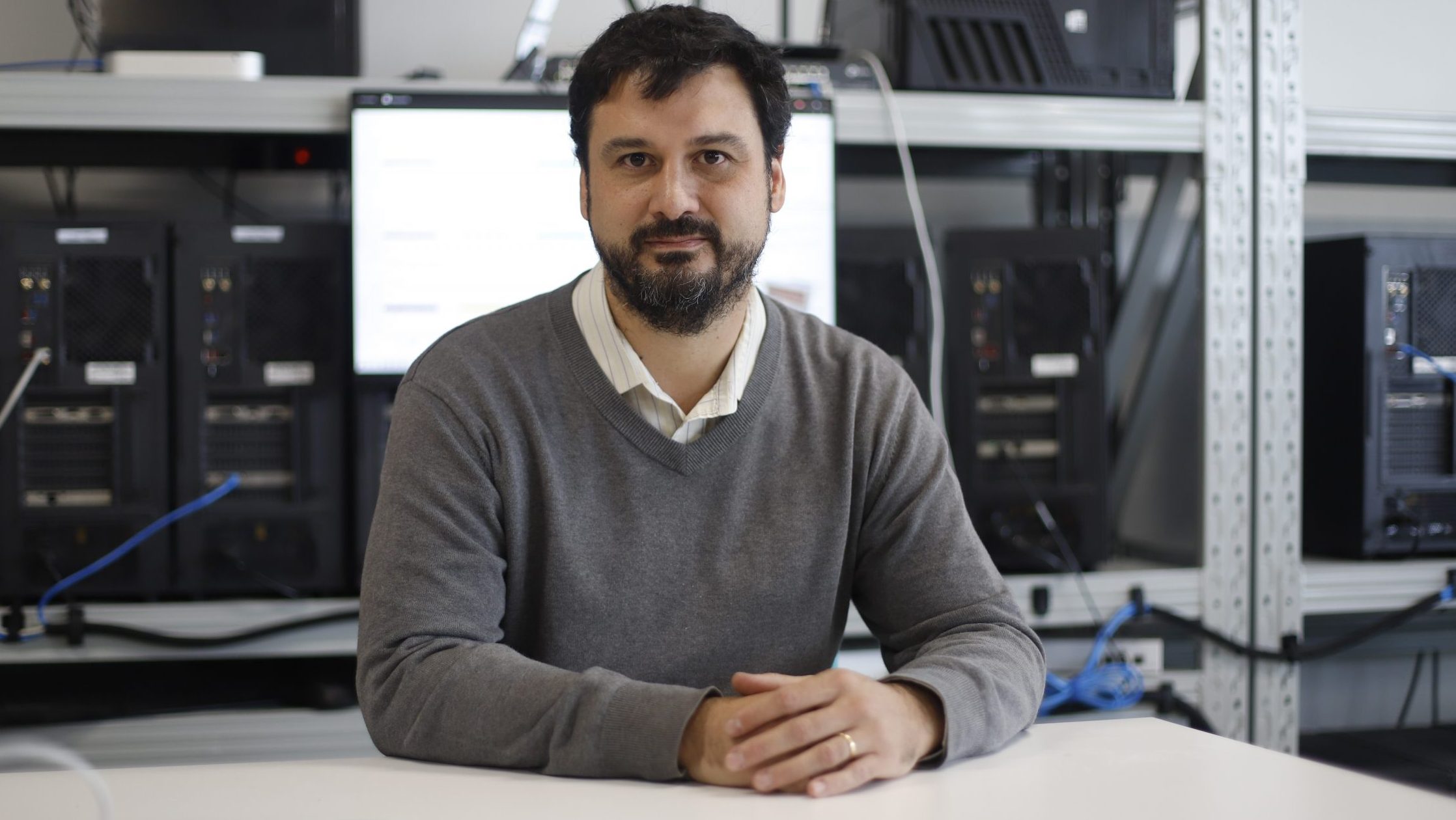
The project focuses on updating traditional methods of structural design for earthquakes. "The idea is to modernize the seismic design process for structures by combining advanced simulation techniques with artificial intelligence," explains José Antonio Abell, the researcher leading the study and a faculty member at the School of Engineering and Applied Sciences at Universidad de los Andes.
"In the field of structural engineering, there is a significant gap in the use of available computational tools today. In my field, the adoption of computational capabilities — such as simulation techniques, hardware utilization, and artificial intelligence — lags behind other engineering disciplines. I would like to make a contribution in this regard," he says.
The development of these new methodologies will enable safer structures and a more precise understanding of their actual behavior during seismic events. "Structures will be cheaper, easier to repair, and better maintained throughout their life cycle. In addition, one of the key contributions will be a more accurate assessment of the actual vulnerability of structures, which is especially important for the insurance industry and the government."
In this research, faculty member at the School of Engineering and Applied Sciences José Francisco Delpiano participates as co-investigator, along with Professor Davide Gorini from University of Trento, Italy.