Identifying the mechanisms through which a team member emerges as a leader in contexts where different cultures, languages, and ways of working coexist is the central objective of this research project.
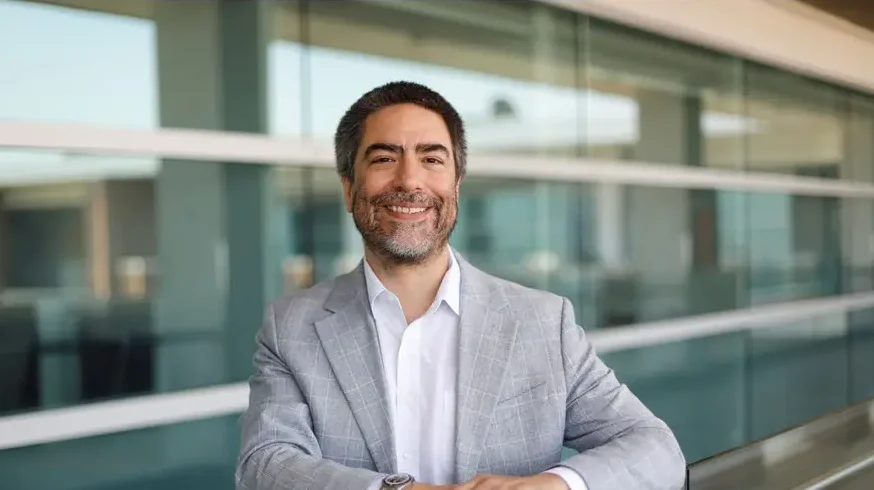
The study, led by Felipe Guzman, a faculty member and researcher at the School of Economics and Business Administration, seeks to understand how members of autonomous multinational teams — those operating without a formal leader appointed by the organization — collectively and informally construct their own leadership.
"The study arose, in large part, from my experience working with teams of this type in Europe and in organizations where linguistic diversity is part of everyday life. This experience allowed me to observe that, in these groups, hierarchies form quickly: in the first few minutes of interaction, an informal structure of admiration and respect is already in place, and the person who receives the most recognition tends to assume a leadership role," explains Guzmán.
Preliminary findings indicate that individual factors weigh most heavily in the emergence of leadership, while group and organizational factors serve as a context that facilitates or inhibits such traits.
"Among the individual elements, fluency in the team's common language — typically English — emerges as the most significant factor and is the central focus of the project. Also relevant are the concrete contributions that each member makes to the collective work and, to a lesser extent, certain personality traits and other individual differences," Guzmán adds.
The research, which was awarded Fondecyt of Initiation 2026 funding, also reveals how cultural differences affect communication, decision-making, and leadership legitimacy..
As Guzmán explains, a member may have strong technical skills, but if they are unable to express themselves fluently in the common language, their ideas tend to be ignored. "On the other hand, those who are more fluent tend to be perceived as more capable and are given more space to present their ideas, which directly influences their standing within the team."
This phenomenon poses significant challenges for organizations. By recruiting people who are highly proficient in their native language but not fluent in the common language, organizations risk losing valuable contributions.
At the same time, those who communicate more fluently can gain influence regardless of the actual quality of their ideas, creating tensions where form outweighs content.
"The research identifies best practices aimed at balancing participation, such as introducing mechanisms that require all members to contribute. Furthermore, the use of artificial intelligence tools for real-time translation represents a promising avenue to reduce communication barriers and level the playing field in multicultural teams," says Guzmán.