
"Soil quality is key to food security, ecosystem balance, and human well-being," says Cynnamon Dobbs, a PhD in Ecological Sciences, researcher and academic at the Center for Territorial Studies (CET) of Universidad de los Andes.
"Our life and the life of ecosystems are built on the soil," says ecology Ph.D. Cynnamon Dobbs, researcher and academic at the Center for Territorial Studies (CET) of Universidad de los Andes. In an interview with Radio Universidad de Chile , she assures that agricultural production, food quality, and ecosystem functioning depend directly on the state of the soil. According to her, it is important to maintain healthy soils , which are characterized by their ability to retain water, contain nutrients, and harbor beneficial microorganismsShe emphasizes that soils not only enable food production, but also have a direct influence on human health. The condition of soils is a key factor for food security, ecosystem balance, and human well-being.
The potential that soils have to keep us connected with microorganisms
that are good for us, strengthens our immune system
Healthy Soils for Greater Well-Being
During the conversation, the CET researcher addressed the diversity of existing soils in Chile and their relationship with the country's different ecosystems. Dobbs pointed out that this variety explains both the environmental richness and the productive limitations of some areas.
She also analyzed the impact of urban and industrial land use, especially in cities that have expanded their boundaries. The CET researcher warned that soil is often considered only as a support for construction."We don't see it as soil with living components, but only as the place where we built," she said.
Cases such as the landslides in the Concón dunes were cited as an example of territorial planning that did not consider the fragility of the ecosystem. "You cannot build houses just anywhere; there are inadequate soils that increase the risk in the face of extreme weather events," emphasized the UANDES academic.
She highlighted soil restoration in urban areas, such as Cerro Renca in the northern Metropolitan Region, where conservation works are being applied to infiltrate rainwater, reduce erosion, and recover the soil's capacity to store water.
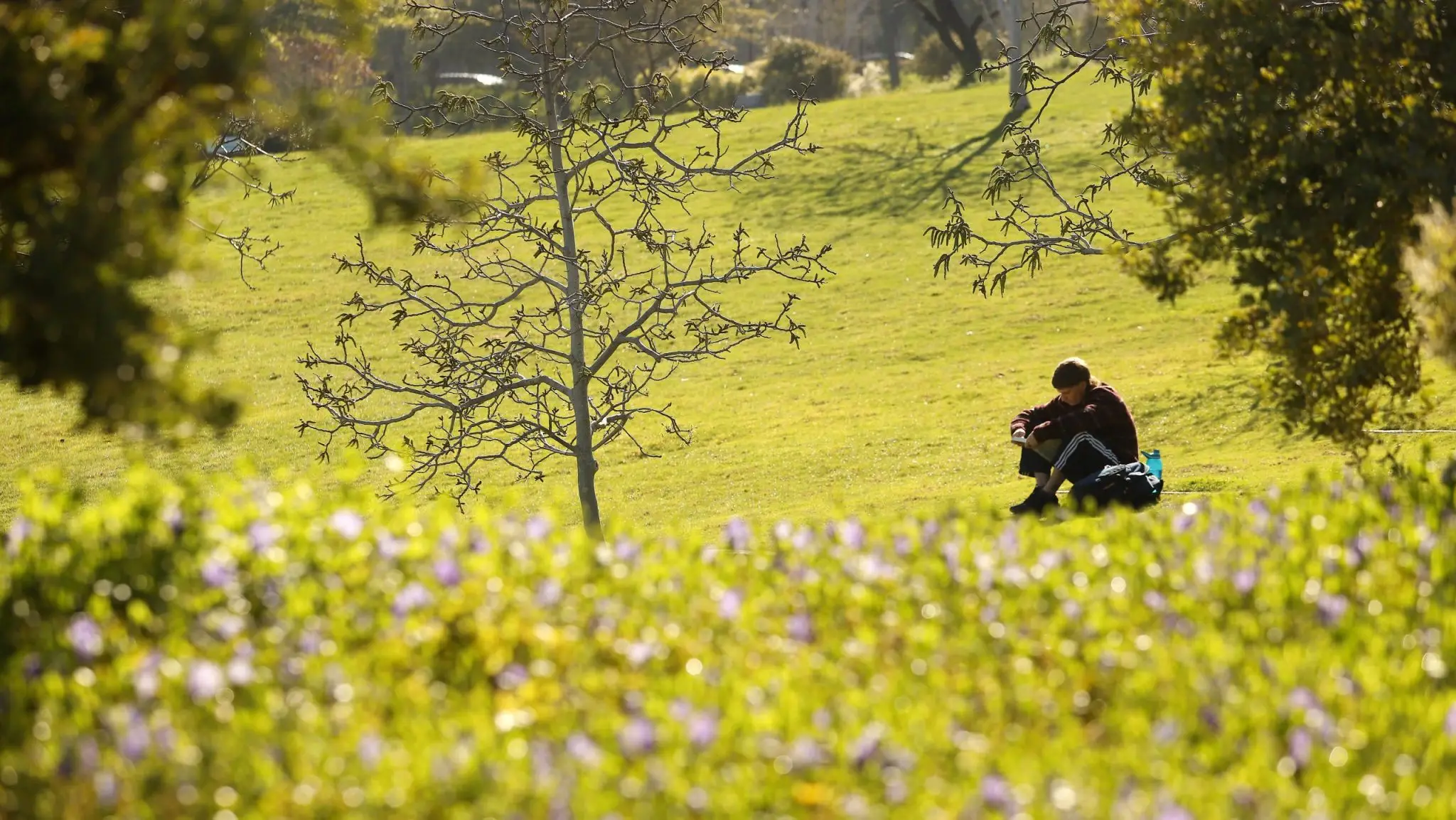
She also emphasized the benefits of soil for the mental health and well-being of urban and rural residents. "Contact with nature helps reduce stress, improves focus, and generates positive emotions," Dobbs noted, stressing the importance of having green areas and healthy ecosystems in cities.
The expert calls for citizen participation and encourages valuing daily actions. "Every action, however small, helps," she says; even having native plants on balconies can contribute to biodiversity. "If we take care of our ecosystems, we take care of ourselves," she concluded.