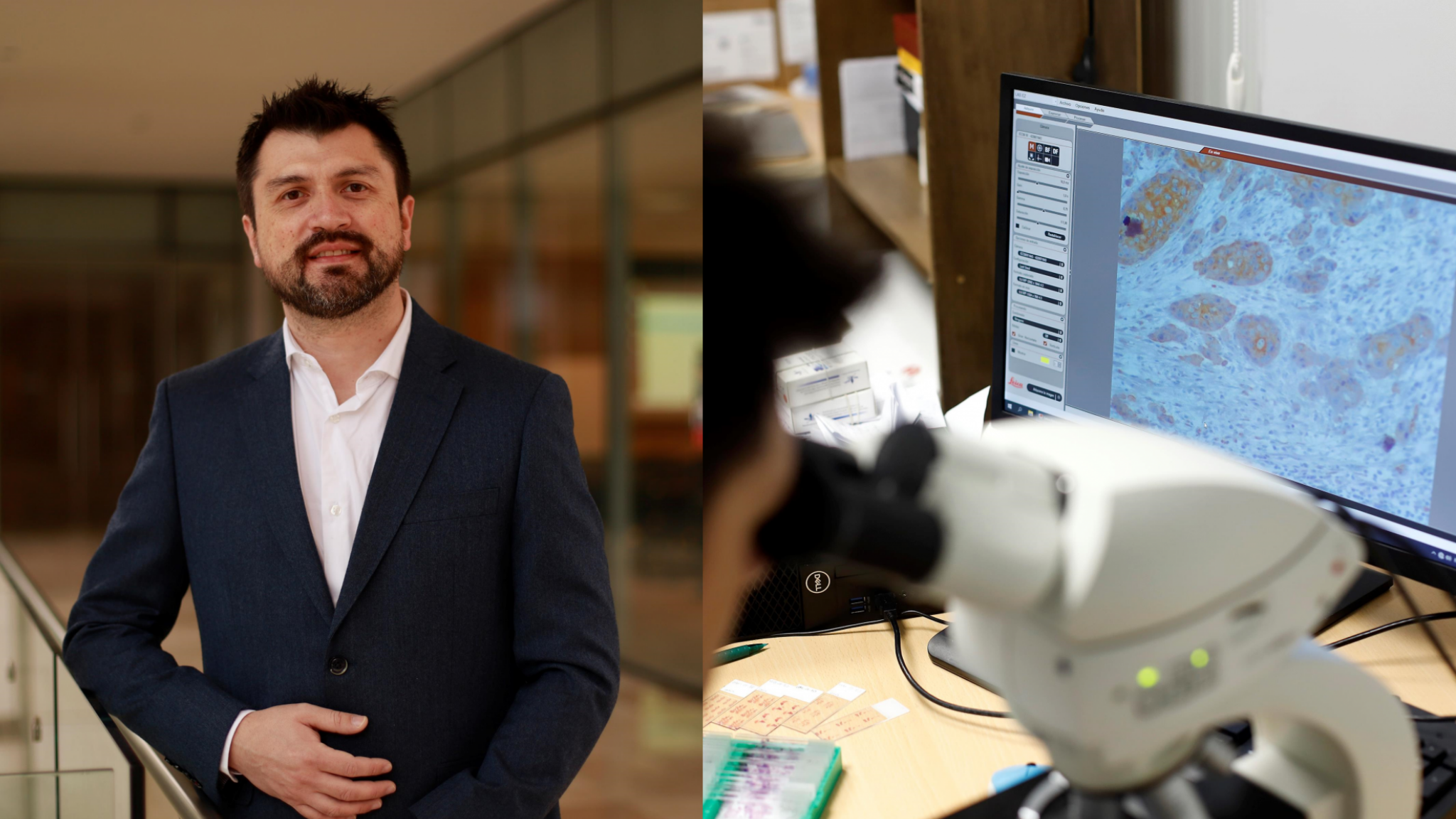
The team will be composed of oncologists, psychologists, nurses, and oral health specialists, who will work closely with patients and caregivers invited to workshops, discussion groups, and participatory activities.
An innovative scientific initiative is changing the way cancer treatment complications are investigated. The project, "Co-creating knowledge: patient experience in the development of a line of research for the management of oral complications of oncology therapy,"seeks to actively integrate patients in all stages of the research process.
The proposal, led by Wilfredo González, is developed in several phases and starts with the identification of the needs, experiences, and perspectives of oncology patients regarding oral toxicities that may arise during therapy. Subsequently, the team will move on to a co-creation processwhere patients and caregivers will work together with professionals to define the most relevant lines of research with the greatest potential impact.
"The project also includes a phase of experimentation in real environments and a final evaluation stage, with the objective of ensuring concrete, transferable results with a direct impact on the quality of life of those facing cancer,"comments González.
An approach centered on those living with the disease
The research is based on three key pillars:
a) Active participation of patients,
b) An approach that is fully focused on their needs; and
c) A comprehensive approach that addresses not only the physical challenges, but also the emotional and social aspects associated with oral toxicities.
The work team will be composed of oncologists, psychologists, nurses, and oral health practitioners,who will be working closely with patients and caregivers invited to workshops, discussion groups, and participatory activities.
Social and health impact
The relevance of the project lies in its direct contribution to improving the quality of life of oncology patients by promoting the reduction of complications.The impact is expected to be reflected in better therapeutic results and greater satisfaction with the care received. At the social level, a positive impact is expected, as reflected in lower costs for the health system and increased public awareness of the oral effects of cancer therapy.
"This initiative paves the way for a more humane, collaborative research model oriented to the real needs of those living with cancer, positioning patient participation as a central element in the construction of knowledge and clinical solutions," concludes the researcher from the School of Dentistry.