The initiative reflects the particularities of Chilean Spanish and marks a milestone in Latin America's technological sovereignty.
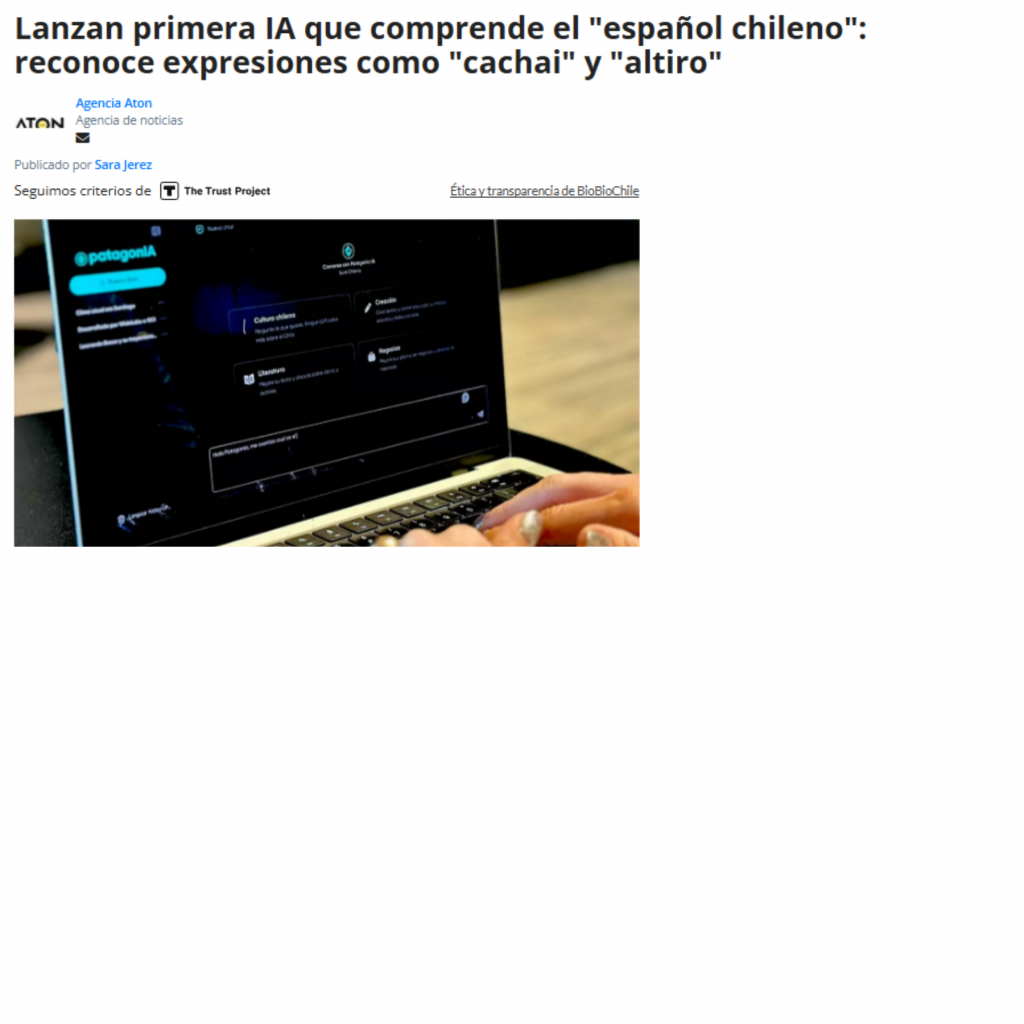
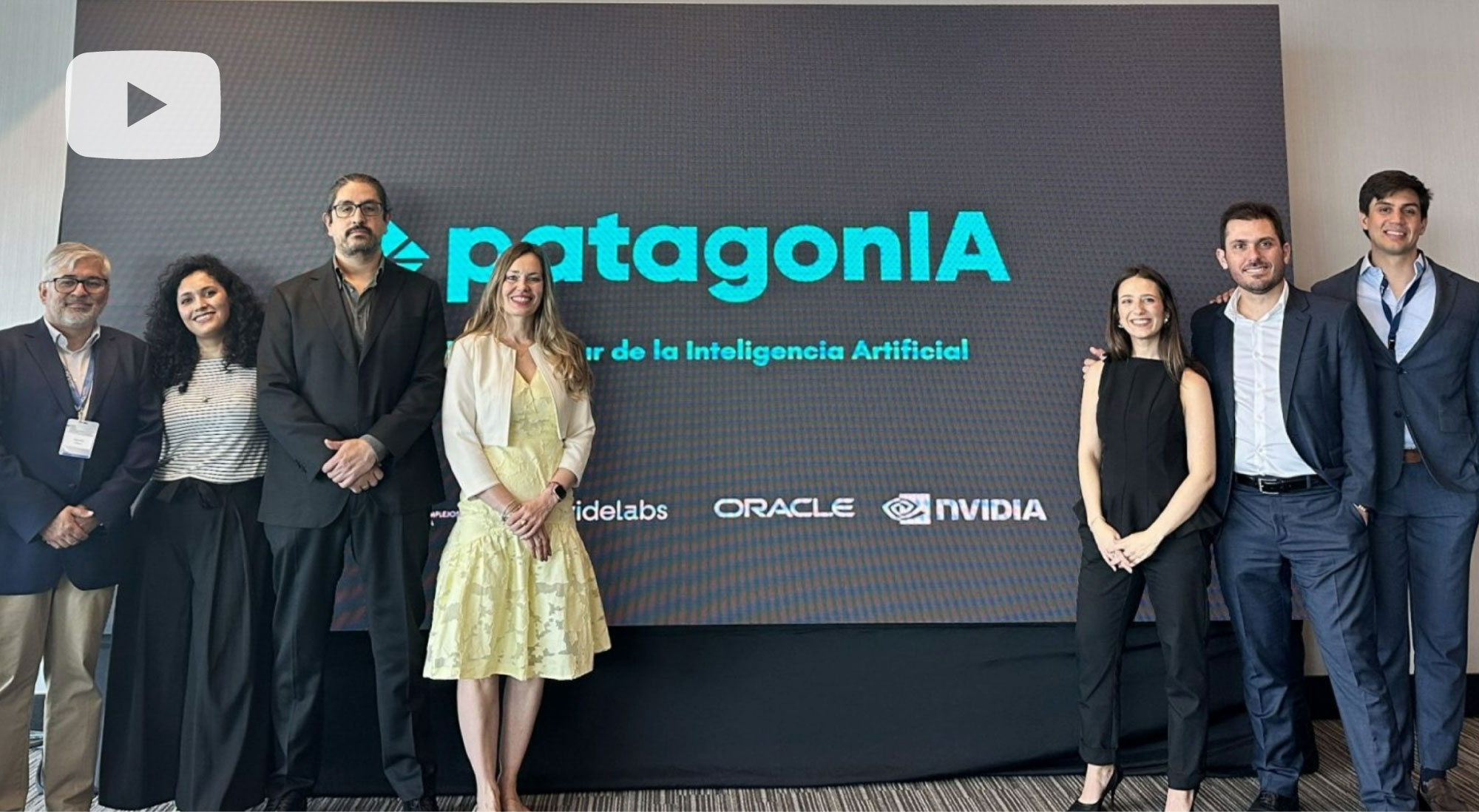
Carla Vairetti, a researcher at the School of Engineering and Applied Sciences of Universidad de los Andes and the Institute of Complex Engineering Systems (ISCI) , participated in the development of PatagonIA, the first artificial intelligence platform trained entirely in Chile, designed to understand and adapt to the particularities of Chilean Spanish. The project was driven by ISCI and WideLabswith the support of Oracle and NVIDIA, and it positions the country as a regional benchmark in data sovereignty and technological autonomy.
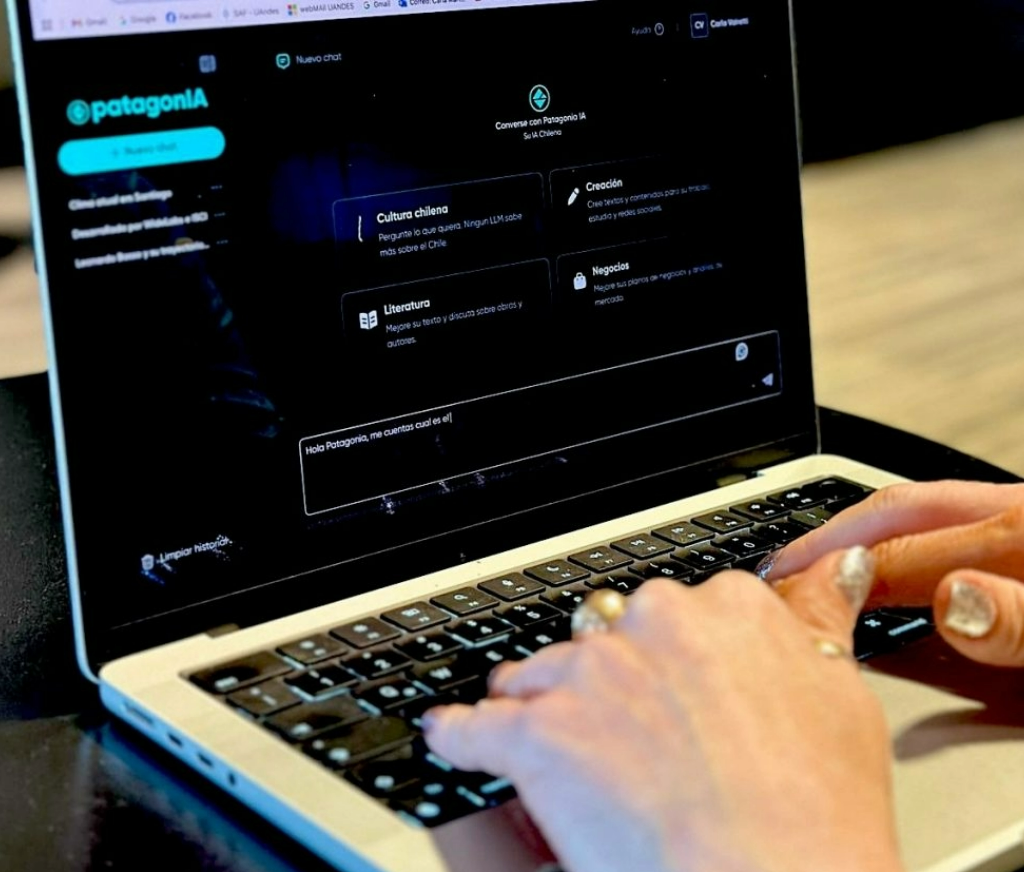
"PatagonIA is the first sovereign AI platform trained entirely in Chile. Its purpose is to provide the country with an infrastructure designed to respond to strategic challenges in areas such as justice, health, energy, transportation, government, and security. It is not only a language model, but a family of specialized models: a text model with advanced reasoning capabilities, a vision model ("Cormorant") optimized for Optical Character Recognition (OCR) and document understanding, and a voice model ("Coipo") adapted to Chilean Spanish and its regional accents. This multimodal and modular architecture allows organizations to deploy only the capabilities they need, reducing costs and increasing the capacity of the solutions. PatagonIA serves as the technological foundation for Chile's digital transformation, strengthening technological, cultural, and data sovereignty,"Vairetti explains.
"This platform was trained and developed entirely in our country, which guarantees that the information remains under national jurisdiction and in compliance with local regulations, which is essential to protect sensitive data in critical sectors, reducing the risk of leaks and increasing the trust of institutions in AI," the expert explains. In addition, its ability to process large documents in a single pass—without the need for complex fragmentation—offers strategic advantages for regulatory compliance tasks, litigation, or comprehensive analysis of legal documents, ensuring relevance in institutional use.
" ISCI contributed the academic vision and the capacity for applied research with social impact, articulating the construction of the model from science to the real challenges of Chile. WideLabs added its experience in the development of sovereign AI models in Latin America, especially from Amazonia AI in Brazil. Oracle delivered cloud infrastructure with data centers in Chile, ensuring data sovereignty and regulatory compliance. Finally, NVIDIA provided state-of-the-art GPUs that allowed the models to be trained efficiently and at a lower cost. This multidimensional collaboration allowed PatagonIA not only to be technically possible but also to be born aligned with the Chilean reality, with a direct impact on strategic sectors and strengthening the country's technological autonomy," says the academic and researcher at the School of Engineering and Applied Sciences.
"This joint work brings together the best of each party: the international expertise of WideLabs, the state-of-the-art technology of Oracle and NVIDIA, and the vision of science applied to the local reality of ISCI. Thus, we have developed a Chilean model, trained with our language and context, which has a direct impact on the country's capabilities,"she said.
If you want to see how this platform works, click here.